Subscription Traps: The Monthly Charge You Never Knowingly Agreed To
Pre-ticked boxes, buried clauses, and free trials that automatically renew are trapping consumers in subscriptions they did not intend to start.
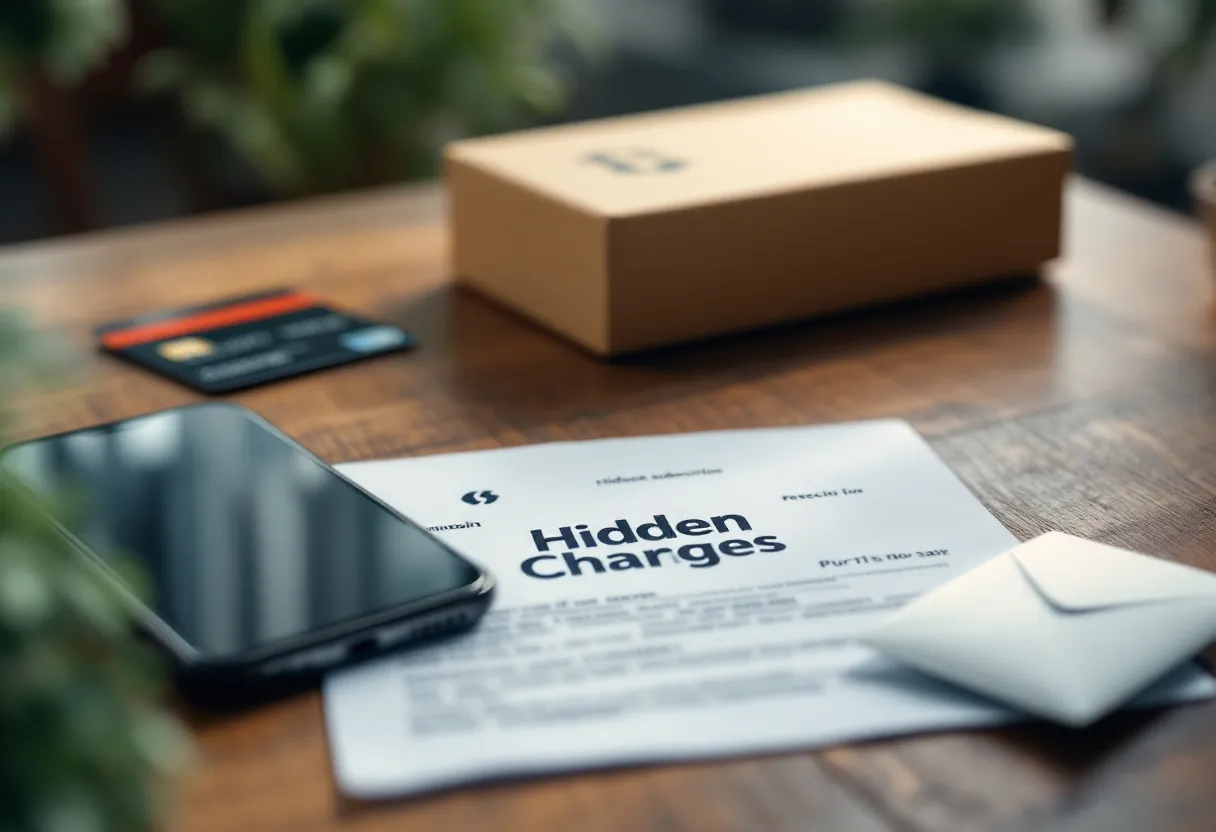
You sign up for what appears to be a one-time purchase or a genuinely free trial. Weeks later, a modest charge appears on your bank statement, not large enough to trigger immediate alarm, but recurring. By the time you notice a pattern, several months of fees have accumulated. This is the subscription trap, and it is one of the most widespread low-level consumer frauds in the digital economy.
The mechanics vary. Some operators use pre-ticked opt-in boxes during a checkout flow, technically obtaining 'consent' that consumers never consciously gave. Others bury the subscription terms in lengthy legal text beneath a prominent 'Start Your Free Trial' button. The common thread is deliberate obscurity at the point of sign-up and deliberate friction at the point of cancellation.
Spotting the Pattern Before You Commit
Before entering your card details anywhere online, search the company name alongside words like 'cancel,' 'recurring,' or 'subscription.' If numerous complaints appear from people struggling to stop being charged, treat this as a disqualifying red flag. Look for a visible, straightforward cancellation mechanism on the company's own website, if you cannot find one in two minutes, assume that cancelling will be difficult by design.
Use a virtual card number or a prepaid card for free trials wherever your bank offers this option. If the trial converts to a paid subscription without clear re-confirmation, the charge will simply fail. Some banks allow you to set spending limits on specific merchants, which serves the same purpose.
Getting Your Money Back
If you have been charged for a subscription you did not knowingly authorise, write to the company citing the charges and requesting a full refund on the grounds that consent was not clearly obtained. Keep the language formal and the tone measured. If they refuse or fail to respond within a reasonable period, file a chargeback with your card issuer, 'goods or services not as described' or 'transaction not authorised' are the most applicable grounds depending on the circumstances.
Report the practice to your national consumer authority. Regulators in several jurisdictions have taken significant enforcement action against subscription-trap operators, and individual complaints contribute directly to the evidence base for those investigations.